
Through hundreds of free performances, thousands of opportunities for local musicians, and millions in visitor spending locally, FQFI helps keep New Orleans culture alive, accessible, and growing.
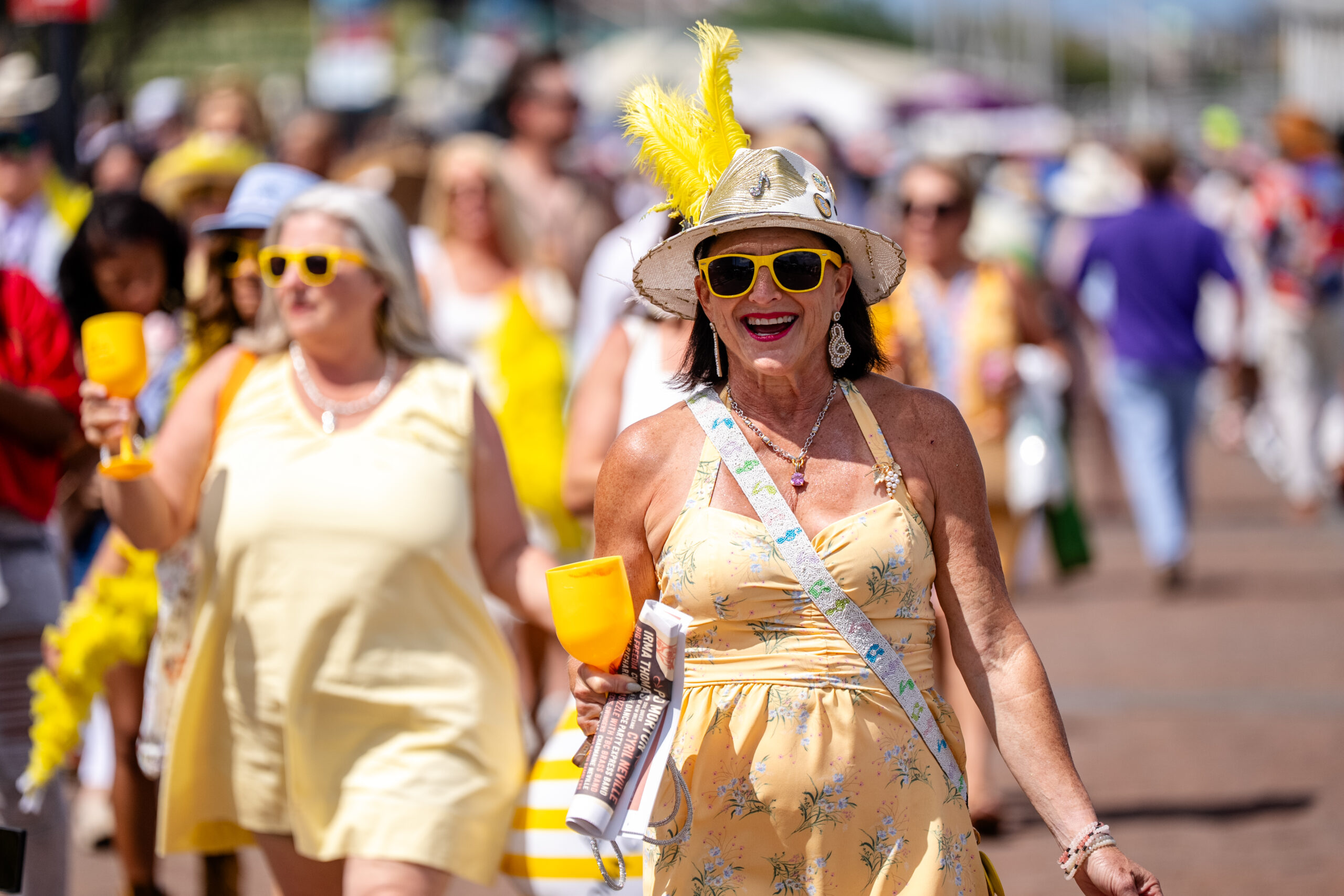
New Orleans culture doesn’t sustain itself. It lives because musicians have opportunities to play, traditions are passed from one generation to the next, and people have places to come together and experience what makes this city unique.
In 2026, French Quarter Festivals, Inc. (FQFI) helped make that possible through its free festivals and cultural programming, creating meaningful opportunities for local artists, connecting communities, and supporting the city’s cultural economy.
“Everything we do comes back to the culture,” said Emily Madero, CEO of French Quarter Festivals, Inc. “Our festivals create opportunities for local artists to share their talents and sustain their livelihoods, while bringing people together to experience what makes New Orleans special. Culture is at the heart of this city’s identity, economy, and community—and keeping it alive and accessible benefits us all.”
Creating Opportunities for a Living Culture
Culture thrives when artists have opportunities to share their craft, earn a living, reach new audiences, and pass traditions along. By the end of the year, FQFI will have created 2,572 musician opportunities via 341 musical performances generating over $600,000 in artist income. This includes 588 student musicians and 62 groups making their FQFI debuts.
For emerging artist Kirkland Greene, making his French Quarter Festival debut was an opportunity to take the next step in his career. Describing the experience as “epic,” Greene also highlighted the festival’s unique environment for collaboration, where musicians share stages, join one another’s performances, and help perpetuate each other’s musical vision.
That exchange is central to how New Orleans culture survives and evolves. Funk musician Jon Cleary understands this firsthand. Arriving in New Orleans as an 18-year-old, he learned from the musicians who came before him, absorbing the rhythms and traditions that shaped the city’s musical identity. Today, he sees the same responsibility in the next generation.
“We receive the torch and then we pass it on to the youngsters that are coming up behind us,” Cleary said.
By creating opportunities for both established and emerging artists, FQFI helps ensure the city’s musical traditions remain active, evolving, and accessible to future generations.
Strengthening Community through Connection and Culture
Culture is more than entertainment. It gives people opportunities to gather, connect, experience belonging, and participate in the life of their community. By keeping its festivals and programming free, FQFI makes these experiences available to everyone, regardless of their ability to pay. Access to culture is a defining feature of a healthy community. By the end of 2026, FQFI will have presented 396 FREE performances and other cultural presentations, for hundreds of thousands of people from New Orleans and around the world. These shared experiences contribute to individual well-being, strengthen community bonds and pride, and enrich quality of life.
For New Orleans musician John Boutté, the value of these gatherings goes well beyond the music itself.
“Music is medicine. We need it. The opportunity FQFI creates is a healing process not only for the musicians, but everybody in the audience,” Boutté said.
FQFI believes that culture isn’t a luxury. It’s part of what makes a community feel connected, alive, and like home. By removing financial barriers to participation, FQFI helps ensure that the cultural experiences that define New Orleans remain something everyone can enjoy and share.
Sustaining the City’s Cultural and Economic Vitality
FQFI celebrates and sustains New Orleans’ unique culture, which is central to the city’s identity and economy.
In 2026, FQFI’s programming generated an estimated $401 million in visitor economic impact, which is the estimate of visitors’ direct spending on lodging, transportation, dining, and other goods and services, along with the broader economic activity that spending generated. On site at FQFI events, 81 local food and beverage vendors made $4.4 million in sales.
FQFI events and promotional efforts generated an estimated $94.3 million in earned media value, while its social media content garnered more than 2.4 million views. Together, these efforts bring positive attention to New Orleans and introduce its culture, artists, and culture-bearers to audiences far beyond the city and the festival grounds.
For members of the Lost Bayou Ramblers, brothers Louis and André Michot, French Quarter Festival helps build recognition that follows them long after the festival ends.
“French Quarter Fest is so important for us because people from all across the nation have seen us play here, and it really helps us when we tour nationally. People say, ‘I saw y’all at French Quarter Fest and that’s how I knew to come see y’all,’” they shared.
That is an important part of FQFI’s impact: creating opportunities for local culture to reach new audiences, generating economic activity, and strengthening the reputation of New Orleans as a place unlike anywhere else.
FQFI’s impact reaches beyond the festival grounds—creating opportunities for local artists, supporting businesses, and introducing audiences around the world to what makes New Orleans unique. By celebrating the city’s living culture, FQFI helps ensure it remains a vital part of New Orleans’ future.
Keeping Culture Alive Takes a Community
FQFI’s impact extends beyond the festival grounds—supporting local artists, passing traditions to the next generation, bringing people together, and strengthening New Orleans’ cultural and economic vitality.
Sustaining that impact takes a community of individuals, businesses, foundations, and partners who believe in keeping New Orleans culture alive and accessible.
“Culture doesn’t preserve itself,” said Emily Madero. “It takes people willing to share it, support it, and give the next generation the opportunity to carry it forward. We are grateful to everyone who makes that possible.”
Click HERE to support French Quarter Festivals, Inc.