
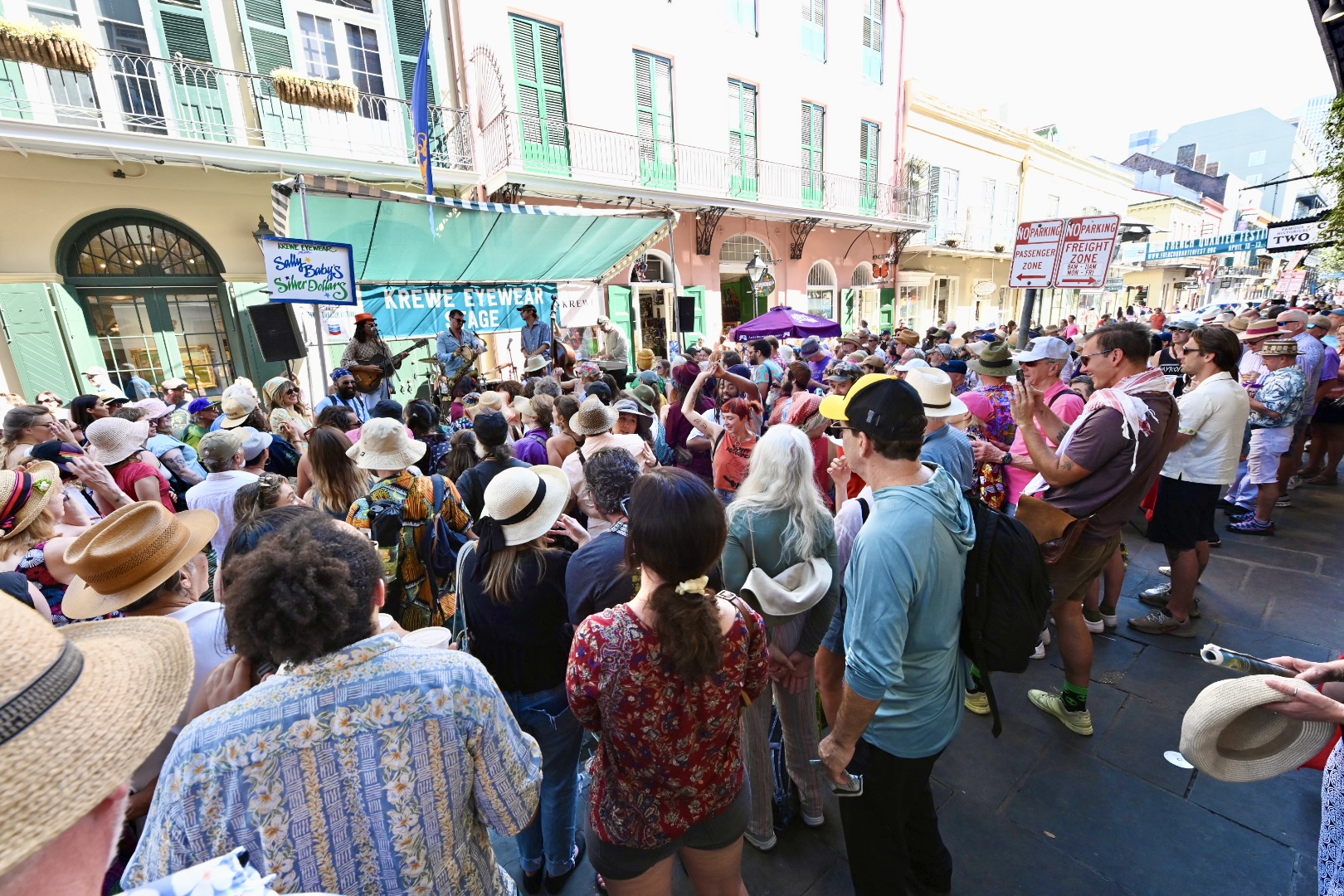
The community events produced by French Quarter Festivals, Inc. are more than entertainment—they’re lifelines for local musicians and vital cornerstones of Louisiana’s cultural heritage. Every concert, performance, and celebration we create strengthens the social, cultural, and economic fabric of the greater New Orleans region.
We’re proud to share the meaningful impact of our 2025 programming so far, made possible with the support of our donors, sponsors, partners, and incredible community of artists and other cultural stakeholders.
Supporting Our People
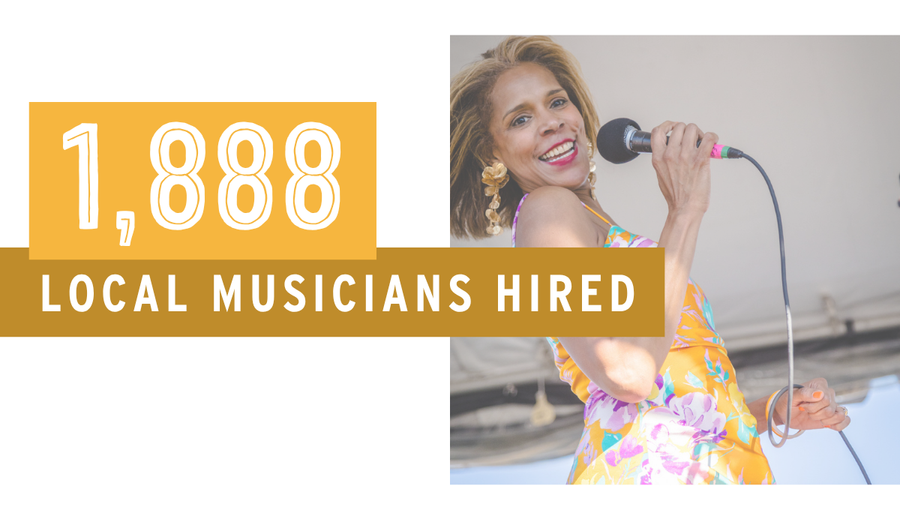
Our festivals offer reliable opportunities and compensation plus a world-class stage for Louisiana’s artists.
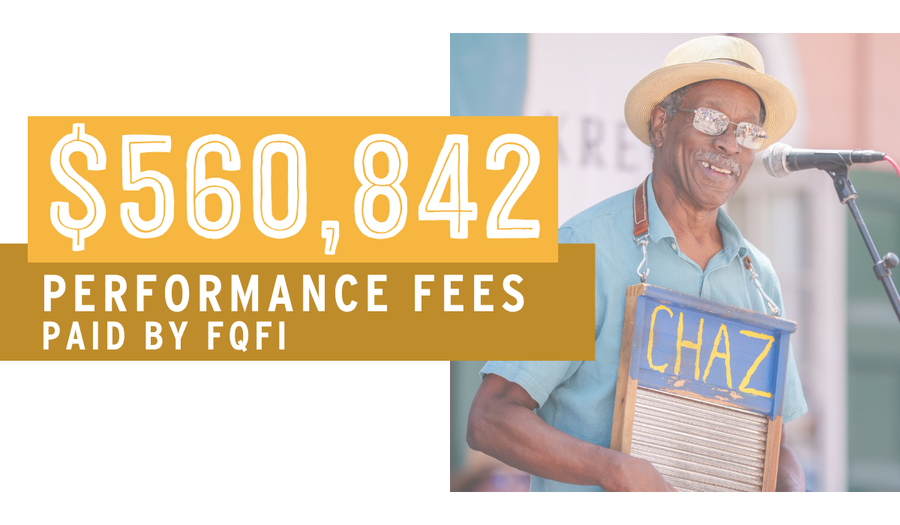
Every musician hired directly by FQFI earned at least $210 per performance, with the average topping $300. Standard minimum rates ensure a more equitable pay structure across genres and stages—so all performers, big or small, are valued for their craft.
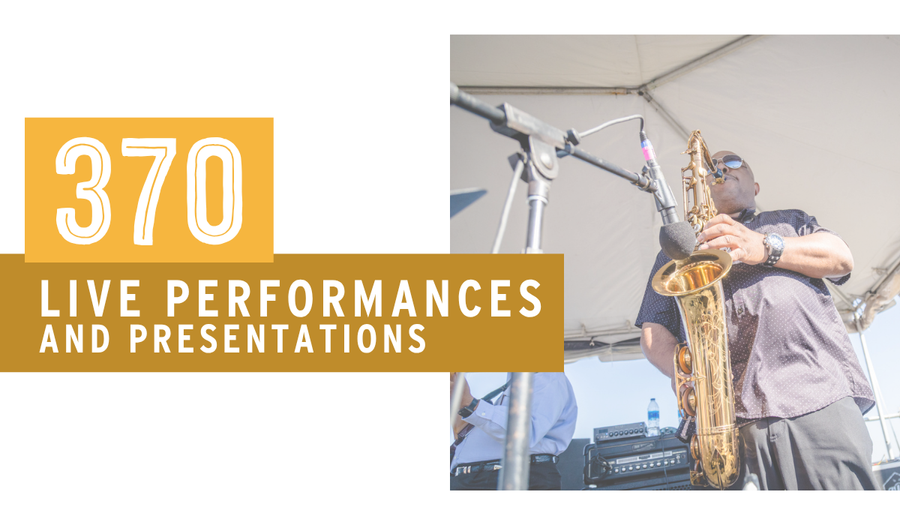
Each performance preserves and evolves our cultural identity, honoring the traditions that make New Orleans unique while creating space for the next generation of talent.
Accessible Arts for All
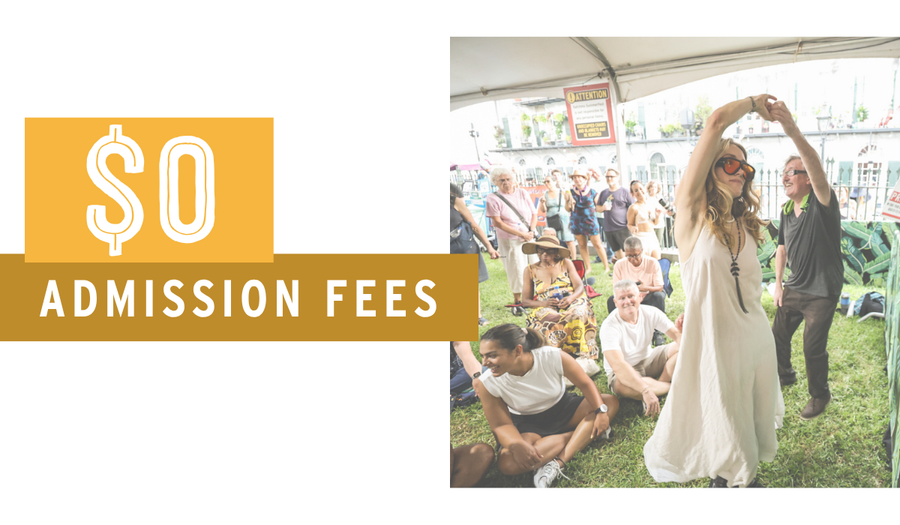
Our events are completely free because arts and culture should be accessible to everyone. Inclusive, community-centered programming doesn’t just entertain—it builds connection, strengthens neighborhoods, and enriches quality of life. In New Orleans, where median income is $22,000 below the national average, accessible cultural programming is more than a convenience—it is essential.
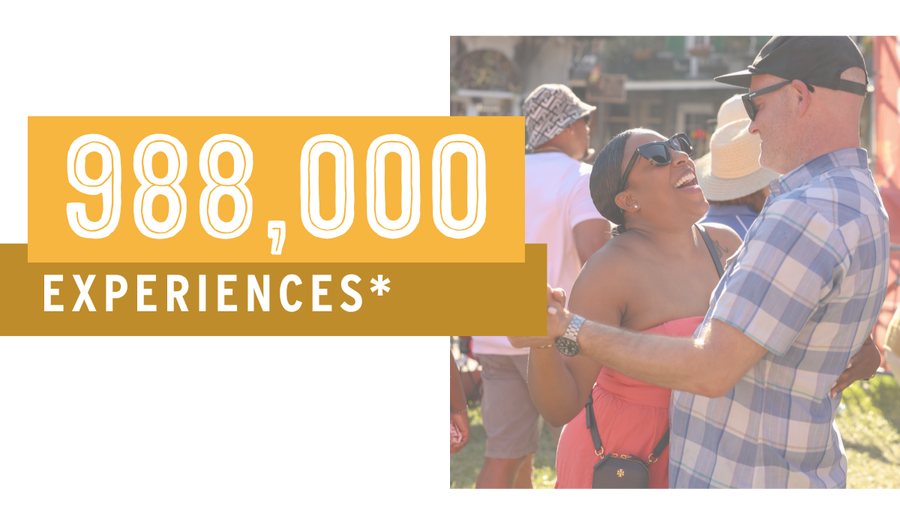
FQFI events bring together locals and visitors from around the world. This year about 42% of French Quarter Festival attendees and 53% of Satchmo SummerFest attendees were from the New Orleans metro area. Visitors discover the magic of Louisiana and locals celebrate with neighbors and loved ones. Meaningful connections are forged through the unifying power of live music and cultural practice.
*Based on festival entries recorded at multiple sites and over all event days of FQF and SSF 2025. Does not represent unique individuals.
Fueling the Local Economy
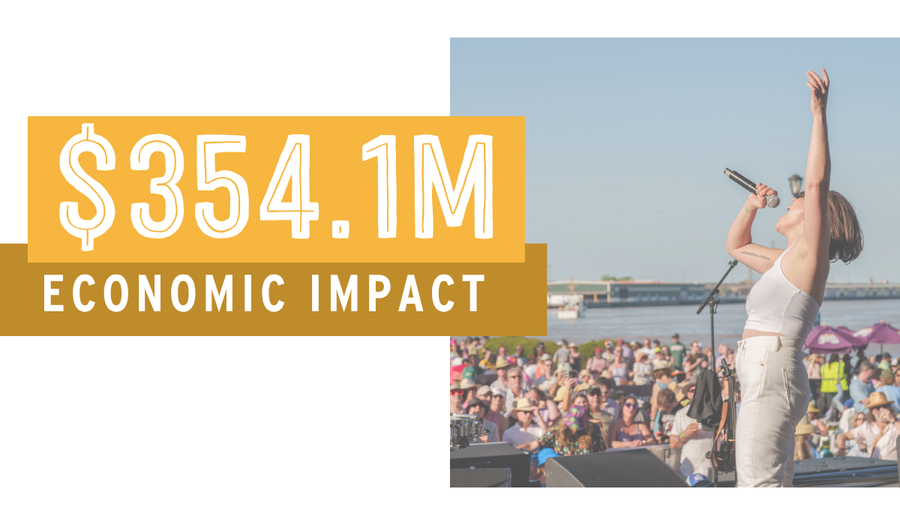
Economic impact refers to the total spending – on hotels, dining, transportation and more – of visitors who traveled here specifically for FQFI events—new dollars flowing into our local economy.
Because FQFI engages local musicians, vendors, and suppliers, our investment to create this programming and generate this economic impact stays local too.
And when everyone can participate in the celebration because of our commitment to open-access, this is truly a win-win-win situation!
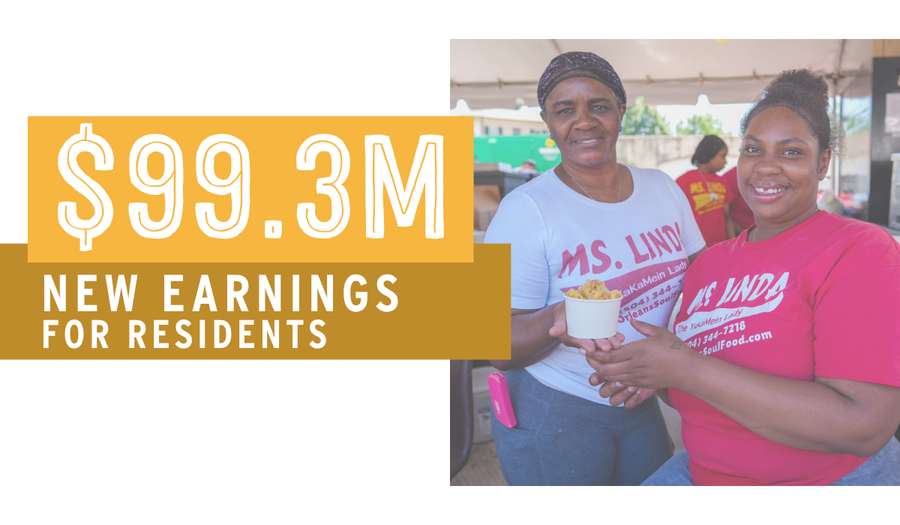
FQFI events support thousands of local jobs—not only in music, food, and production, but across industries throughout the region.
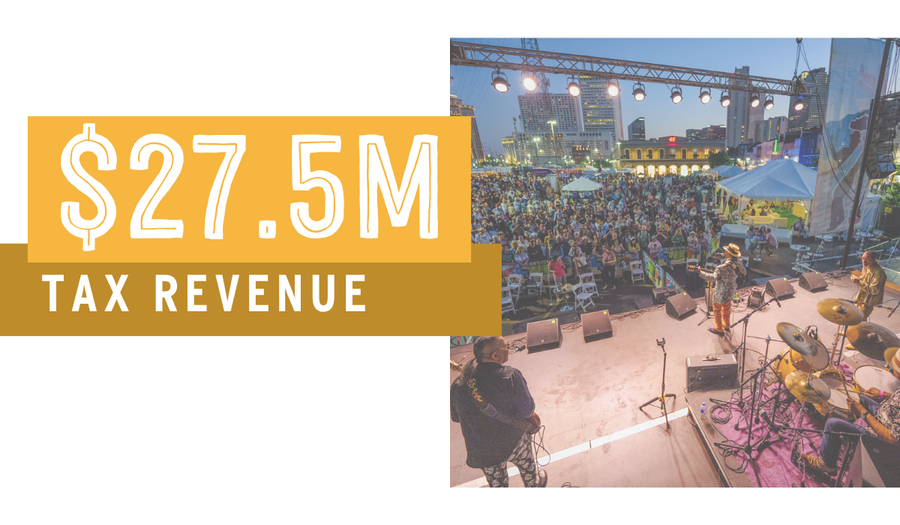
Our impact extends to public benefit—city and state revenues grow through the economic activity our events inspire.
Building a Greener Future
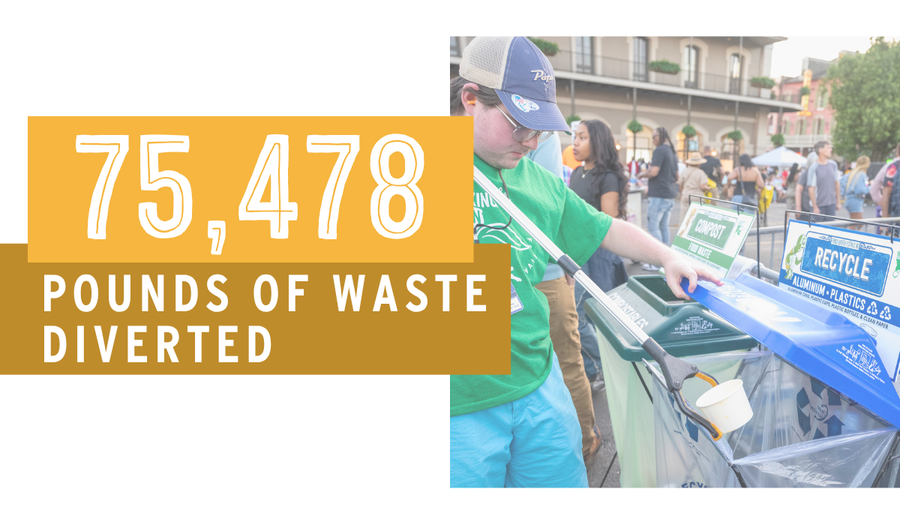
Through our Geauxing Green program, we diverted nearly 45% of total festival waste away from landfills in 2025. Responsible product sourcing, on-site waste sorting, and public education keep New Orleans’ streets and waterways cleaner. We also eliminated over 300 gallons of fossil fuel usage through sustainable operations, including electric golf carts and a solar-powered stage.
Why It Matters: Preventing Marine Debris
Marine debris is a serious threat to Louisiana’s environment. NOAA reports that roughly 80% of marine debris originates on land via litter and mismanaged waste. By reducing landfill contributions and promoting responsible behavior, Geauxing Green helps stop debris before it reaches our rivers and the Gulf—protecting ecosystems, wildlife, and coastal communities.
We’re proud of what we’ve accomplished together—and we aren’t done yet. More opportunities to celebrate New Orleans’ music and culture are just around the corner with the 2025 Holidays New Orleans Style concert series.
Further data on this year’s impact and achievements will be available in our 2025 Annual Report, which will be released in January of next year. Sign up for our e-newsletter for more information.
Data represents outcomes of French Quarter Festival and Satchmo SummerFest 2025. Final impact and achievements to be reported in the organization’s upcoming annual report.
Economic impact and demographic data as reported by the UNO Hospitality Research Center based on attendee surveys conducted on-site.